
Letter from a Reader 3.2.26
Corporate jargon readers hate, the 4 stages of writing a short story, and the book I bought this week: Fatima Bhutto's memoir 'The Hour of the Wolf'

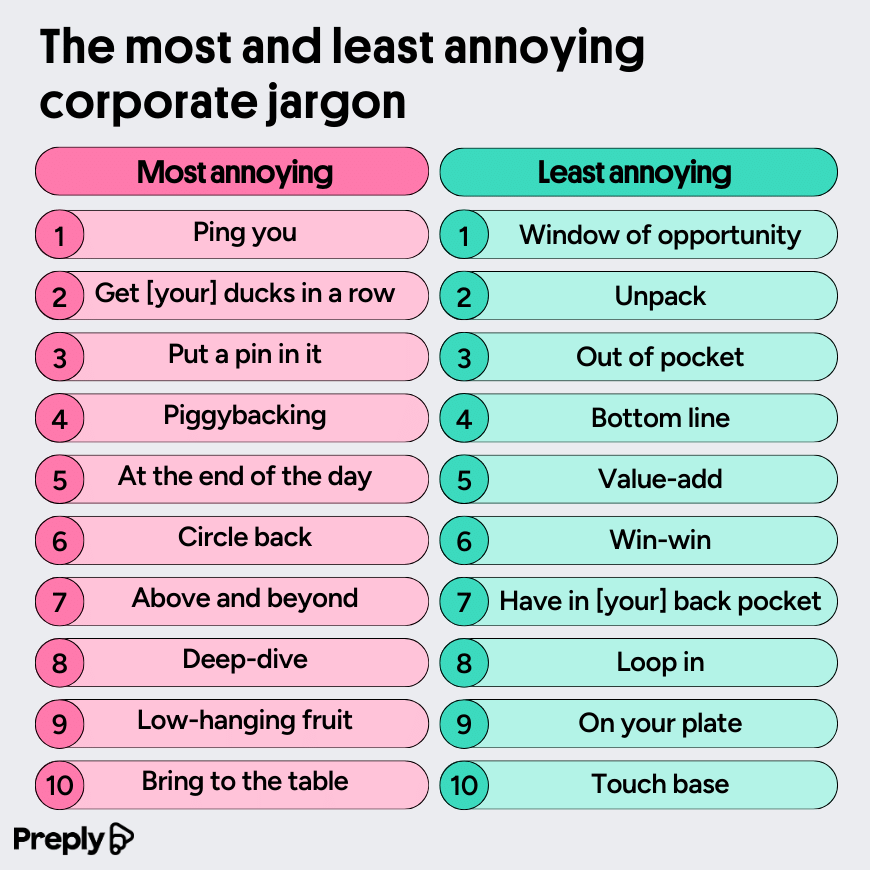
Every year, the Pulitzer people give a public service award along with their prizes for journalism, books, drama, and music. I’d like to nominate a recent Wall Street Journal story on the corporate jargon its readers hate the most, a dishonor roll that includes “leverage,” “reach out,” and “move the needle.”
It seems the Journal editors wanted to compile list of business terms that involve buzzwords or inflated phrases instead of plain, concrete speech. Users hope to sound professional or strategic, news editor Demetria Gallegos wrote. But more often they sound unclear: “Or just silly.”
So the Journal asked its readers to sound off about the words that bugged them the most. And, boy, did they ever.
A typical scorcher came from Mike O’Malley in Nashville, Tenn., who objected to the use of “lean in” for routine tasks. As in: “I’m leaning in to finish payroll.” The Journal summed up the spirit of his response with:
“Lean in to what? Are you dancing the Macarena?”
You may not want to know what readers had to say about terms like “change agent,” “probabilistic,” and “space,” as in “the equity space” or “the beauty-supply space.” So I’ll just note that a reaction from Vienna, Va., suggests the extent of the problem. Kim Peterson faulted the ubiquity of the “juice isn’t worth the squeeze” with a well-aimed barb: “I hear this so much every day you’d think I was working at Tropicana.”
All of this struck a chord in part because the jargon-mongering goes beyond conference rooms and company cafeterias. Journalists hear it, too. It often arrives when a corporate PR rep unloads a buzzword in the misplaced hope that it will persuade a reporter to do a story. The assault might begin with a coy and overfamiliar pitch from a publicist who doesn’t know a reporter but begins as though they’d gone to camp together in middle school: “I just wanted to reach out to you …”
Some clichés also seep into stories about books, publishing, and the media, fields I cover. Journal reader John Lydon of Jacksonville, Fla., faulted the phrase “deep dive”:
“Every time I hear some C-Suite type utter the dreaded ‘deep dive,’ I want to respond, ‘Oh, really? Not investigate, study, discern, discover, find out about, look into? You had to go with deep dive? Did everyone go to the same M.B.A. program?’ ”
Better avoid the New York Times Book Review, John. That phrase has turned up in, among others, a review of Ian McEwan’s new What We Can Know, “a deep dive into complicated marriages.”
Some words in the Journal story overlap with those in an entertaining survey by Preply, the online learning platform that connects students with tutors. And its editors no doubt could have found more than its 28 examples of corporate mush. But its list deserves, if not a Pulitzer, an annual updating. Will we see that? As some of the worst of the jargon-mongers might say, it isn’t “probabilistic.”