Letter from a Reader 5.29.26
A mailman says dogs aren't the worst problem, 3 journalism and publishing clichés to avoid, it's time to stop mangling Jane Austen, and Belle Burden finally gets the criticism she deserves

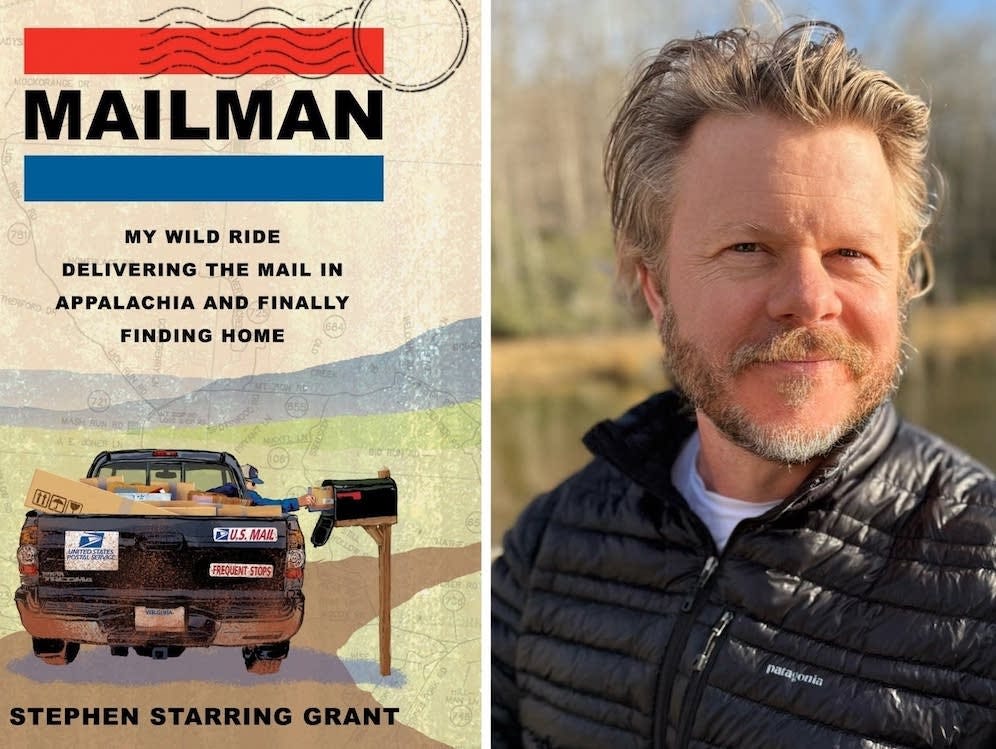
Your mailman gets no respect from book publishers. Teachers, firefighters, police officers, and other public servants—all turn up often in vital roles in high-profile fiction and nonfiction.
But letter-carriers are scarce. In American literature, perhaps the best known postal worker of any sort is the narrator of Eudora Welty’s classic short story, “Why I Live at the P.O.,” who got her job as the postmistress of China Grove, Mississippi, through an uncle who drinks his prescription medicine out of a bottle. It first appeared in 1941 when a first-class stamp cost three cents.
Welty’s heroine would inspire no one to follow her career path. But a short-term job with the U.S. Postal Service could be a lifesaver for recent graduates with bleak employment prospects or for workers with paychecks threatened by automation or artificial intelligence.
And there’s a book for anyone who wonders what delivering the mail might involve: Stephen Starring Grant’s Mailman: My Wild Ride Delivering the Mail in Appalachia and Finally Finding Home (Simon & Schuster, 2025). I’ve read only a portion, but credible media coverage of it has filled some gaps.
Tyler Austin Harper’s smart Atlantic review of Mailman suggests why you might view it skeptically. You recognize it immediately as Hollywood bait, he said:
“A corporate suit loses his job during COVID and spends a year as a blue-collar worker reconnecting with his inner country boy and coming to appreciate the dignity of physical labor—silently nursing, one suspects, the dream of a book contract (and maybe a studio option) all along. A stunt, in other words, that a cynic might see as more in the spirit of self-service than public service.”
But Dwight Garner’s New York Times review makes clear that Mailman has plenty for anyone looking for details about the nitty-gritty of the work. Dogs aren’t the main threat, it seems. Postal workers learn in their training to carry cans of Halt! dog spray and to aim for the eyes and nose. Nor is the worst thing about the job the rain, snow, sleet, or brutal heat in unairconditioned postal trucks. What the author disliked most was the daily “casing”: postal jargon for setting out everything you have to deliver in order so you can grab it easily while on the road.
Delivering mail with prostate cancer
Even with such chores, and as the author lived with “a worrisome nugget of prostate cancer,” the work had its rewards. Grant often felt he was delivering more than mail. He was bringing people things like “safety,” “continuity,” and “companionship”: “You know, the stuff that a government is supposed to do for people.” All of it could leave him famished, and he appreciated it when people gave him cookies or a free coffee at Starbucks. If you stick with the job for 20 years, you can earn a base pay of $83,226, the National Association of Letter Carriers says.
The reviews of the Mailman were mostly positive, and if you need a job, you might check it out. It might also appeal if you’re looking for a memoir you can relate to better than one of this season’s big books, which involves the troubles of a woman worth $63 million who found it hard to cope after her husband suddenly left her. I don’t know about you, but I think I could identify with a mailman in an unairconditioned truck more easily than with an heiress who might have been able to gold-plate such a truck.

_vector.svg)
3 creaky journalism and publishing terms to avoid
A New York Times style guide cautions reporters about referring to the Times as “the paper” in their stories. It’s a good point. Vastly more people read the Times online than in print, and digital-only subscribers may not see it as “the paper.”
Several other journalism or publishing terms sound similarly creaky today. Here are three I avoid and what I use instead.
“read the paper” (other than a print edition): read the news or read the Times
“inked a deal”: signed a contract or closed a deal
“penned a book”: wrote a book
“Penned” in particular is so stilted I suspect you wouldn’t find it in my clips if you went back to the rants I wrote for my college newspaper about the unequal treatment of women on campus. And that sentence has another outdated term: “clips.” Gen Z readers, “clips” are what you used to send instead of links to editors you hoped to dazzle with your talents. I have hundreds of mine in scrapbooks I seldom open because if I want to look up something I wrote, it’s quicker to search online.
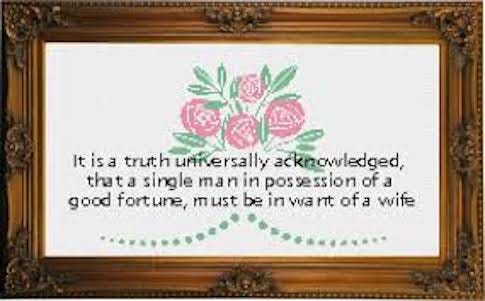
Quote of the day: Stop mangling Jane Austen’s most famous line
“It is a truth universally acknowledged that any article about Jane Austen must begin with a mangled, platitudinous variation on her most famous line.”
Madeline Grant in “The Sad Decline of Period Dramas,” the Spectator, June 17, 2025